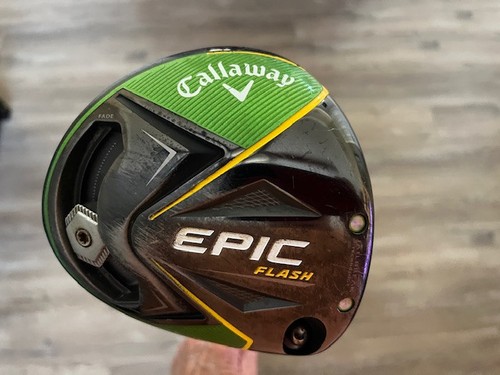
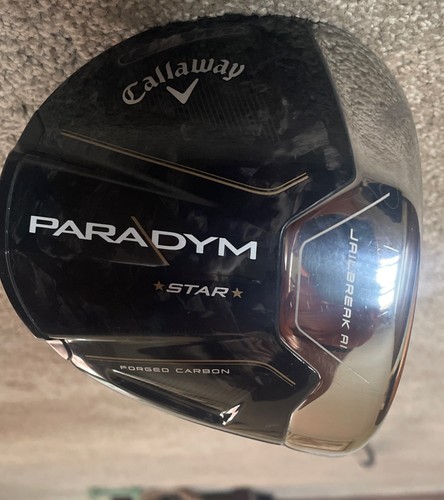
Most golfers do not replace a driver because the old one broke. They replace it because they no longer swing it the way they did when they bought it. Clubhead speed falls away slowly so senior golfers lose around 10 to 12 yards of carry a decade. A shaft that loaded properly at 60 does not load the same way at 70. The club did not change. The swing did.
Why a new driver is the expensive answer
Because that decline is gradual, it does not call for one replacement club. It calls for a re-fit roughly every decade. A golfer carrying 215 yards in his fifties sits inside the regular band. Ten years later, at 205, he is a senior-flex golfer. New drivers start north of $300 and the flagship heads run well past that. Paying it two or three times over is a hard case to make.
What used buys you
A driver head does not wear out the way a wedge face does. Two seasons of weekend golf leaves a club much as it left the shop, and the gap between a three-year-old head and this season's is small next to the gap between the right flex and the wrong one. Used prices sit near half of new, which makes a $200 ceiling a real budget rather than a compromise.
You do not have to drop your brand
Most of the big names build at least one head aimed at slower swings, whether that is a lighter build, a draw bias or a higher-launch loft. Those models have been in the market for years, so they turn up used at the prices you see here. Staying with a brand you trust rarely costs extra.